Dr. Stephenie Poris specializes in breast implant removal and breast implant revision, and revision is what she is best known for in the Orlando area. Each removal plan starts with two questions: why you want your implants out and how you want your breasts to look afterward. Your answers shape the surgery.
Breast Implant Removal at a Glance
These are typical starting points. Your procedure details and recovery experience will be confirmed during consultation.
Procedure Time
About 1 to 3 hours, longer when a lift or fat transfer is added
Anesthesia
General anesthesia
Downtime
About 1 to 2 weeks
Results
Visible right away, with the breasts settling into their final shape over several months
Scars
Often placed in existing incisions. A breast lift adds lift-pattern scars.
Cost in Orlando
$4,000 – $16,000, with a personalized quote at consultation
What Breast Implant Removal Does
Breast implant removal takes out saline or silicone implants and can remove part or all of the scar capsule your body formed around them. Taking the implants out usually resolves problems caused by the implant itself, such as a rupture, hardening, or distortion when you flex your chest. The same surgery can lift and reshape the breasts, or move fat from another area of your body to restore some volume.
What breast implant removal does not do is return your breasts to exactly how they looked before your breast augmentation. Implants can stretch the skin and thin the breast tissue, and pregnancy, weight changes, and aging change the breast too. After removal, your breasts will be smaller and may look deflated or loose, especially if your implants were large or in place for many years. If that worries you, Dr. Poris may recommend adding a breast lift or fat transfer to the same surgery, and the options below show what each one can do.
Why Women Choose Implant Removal
Women have their implants removed for medical reasons, for cosmetic reasons, or because their priorities have changed. These are the reasons Dr. Poris lists for implant removal.
Implant malposition: Implants can drift to the side, drop too low, or move toward the center of the chest. Removal is one option, and revision can reposition them if you would rather keep implants.
Breast tissue changes over time: Pregnancy, breastfeeding, weight changes, and aging can change how your breast tissue covers your implants, so implants that once looked right may no longer suit your body.
Capsular contracture (breast hardening): When the scar capsule around an implant tightens, the breast can become firm, high, misshapen, or painful.
Animation deformity: Implants placed beneath the chest muscle can move or distort the breast when the muscle flexes. Removing the implant usually ends that movement.
Rupture of breast implants: A ruptured saline implant deflates as the body absorbs the salt water. A silicone rupture is often silent and found on an ultrasound or MRI.
Asymmetry: One breast may have changed more than the other, leaving the implants uneven.
Chronic breast pain: Ongoing pain around an implant should be evaluated, whether it comes from capsular contracture, implant position, or another cause.
Breast reduction: Some women want smaller breasts, whether their implants now feel too large or their natural breast tissue has grown. Removal can be combined with a breast reduction when the natural tissue also needs to be reduced.
Lifestyle considerations: Some women want a lighter, more natural feel, fewer limits on exercise, or no more implant replacements and rupture screening.
Breast Implant Illness
Breast Implant Illness (BII) refers to a broad spectrum of systemic symptoms reported by some women with breast implants. Although patients’ symptoms can be significant and debilitating, the underlying pathophysiology remains poorly understood, and BII has not been established as a formally recognized medical diagnosis with standardized diagnostic criteria. This uncertainty has contributed to differing perspectives among patients and healthcare professionals regarding its causes, diagnosis, and management.
If you have symptoms you believe are related to your implants, bring them to your consultation along with your medical history. Dr. Poris will talk through what implant removal involves and whether it fits your goals, and she will be honest about what surgery can and cannot be expected to change.
Your Options After Removal
What happens after the implants come out depends on your skin, your remaining breast tissue, and how you want your breasts to look. Many patients combine removal with one of these approaches.
Implant Removal Alone
The right choice if you have good skin elasticity and are comfortable with a smaller breast.
Removing the implants without other reshaping is the simplest surgery with the shortest recovery. Removal alone works best when your implants were small or moderate and your skin still has good elasticity, so the breasts can retract to a natural shape.
Implant Removal With a Breast Lift
The right choice if your breasts are likely to sag or look deflated after removal.
A breast lift removes excess skin, raises the nipple and areola, and reshapes your remaining breast tissue into a firmer, higher contour. Because the lift works with the tissue you have, it improves shape and position rather than adding size.
Implant Removal With Fat Transfer
The right choice if you want to restore some volume without an implant.
Fat transfer uses liposuction to take fat from an area such as the abdomen or thighs, then processes it and injects it into the breasts. The added volume is modest and natural, not the size an implant gave you, and some of the transferred fat is reabsorbed over the first few months. Fat transfer and a lift can sometimes be done in the same surgery, and Dr. Poris will tell you whether that makes sense for you.
Removal and Replacement
The right choice if you want to keep implants but change them.
If your goal is a different size, type, or position rather than no implants at all, breast implant revision replaces your current implants with new ones and corrects the pocket around them.
Total Capsulectomy
Your body forms a thin capsule of scar tissue around every implant. A total capsulectomy removes that entire capsule along with the implant, and Dr. Poris performs total capsulectomies every week. Capsule removal is often recommended when the capsule has thickened or hardened, when a silicone implant has ruptured, or when you want the capsule out along with the implant.
Not every patient needs the full capsule removed. A thin, soft capsule can sometimes be left in place, depending on how thick the capsule is, how well it separates from the surrounding tissue, and why you are having your implants taken out. Dr. Poris will recommend a plan for your capsule at your consultation.
Are You a Good Candidate?
Some women decide to remove their implants a few years after augmentation, while others have had theirs for decades. You may be a good candidate for breast implant removal if you:
Have a ruptured, deflated, or hardened implant
Have implants that have shifted, look uneven, or distort when you flex your chest
Have ongoing breast pain or symptoms you believe are related to your implants
Want smaller breasts or no longer want implants
Are in good overall health, do not smoke, and are not pregnant or breastfeeding
If you plan to combine removal with a breast lift, a stable weight helps your result last. Dr. Poris may recommend waiting if you are planning a pregnancy or significant weight loss.
Dr. Poris’ Approach
Implant revision, including removal, is a large part of Dr. Poris’ practice. At your consultation, she will ask why you want your implants out, review your original surgery and implant card if you have them, and examine your breast tissue and skin to plan the shape you will have afterward.
A common worry is, “What will my breasts look like without implants?” Some women fear they will look worse than before their augmentation. Dr. Poris will be honest about how much your breasts are likely to change, and she will show you how a lift or fat transfer could help.
Double-board certified plastic surgeon
Orlando’s first female-owned and operated double-board certified plastic surgery practice
Specializes in breast implant removal and revision
Breast implant removal is performed under general anesthesia and typically takes about 1 to 3 hours, depending on capsule removal and whether a lift or fat transfer is added.
01
Incision
The incision is usually made through your existing scar, or along lift lines when a breast lift is planned.
02
Implant and Capsule
The implant is removed, along with all or part of the scar capsule as planned.
03
Reshaping
Any breast lift or fat transfer is completed to reshape the breast and restore volume.
04
Closure
The incisions are closed to support healing.
Scarring: What to Expect
Removal Alone
Most implant removals can be done through the incision from your original surgery, adding little or no new scarring. A total capsulectomy sometimes needs a slightly longer incision. If your implants were placed through the armpit or belly button, a new incision is often placed in the breast crease, and Dr. Poris will show you where.
Removal With a Breast Lift
A breast lift uses incisions around the areola, sometimes extending down to and along the breast crease. Fat transfer adds only tiny incisions where the fat is taken.
How Scars Heal
Scars are usually more noticeable at first, then gradually soften and fade. Many begin improving within 3 to 6 months and continue maturing over 12 to 18 months. Final scar appearance varies based on your skin tone, genetics, incision care, and how your body heals.
Your Recovery, Step by Step
Recovery depends on what is done with your removal, and most patients can expect about 1 to 2 weeks of downtime. Removal alone is often the easiest recovery, while a total capsulectomy, lift, or fat transfer may add a few days.
First Few Days
Swelling, tightness, and soreness are normal. Your breasts will be supported with dressings and a surgical bra as appropriate. You will need someone to drive you home after surgery and help you during the early part of recovery.
About One to Two Weeks
Many patients return to desk work and light daily activities. Continue to avoid lifting, pushing, and strenuous arm movement while your incisions heal.
Weeks Two to Six
Swelling continues to improve, and your breasts begin to settle into their new shape. Weightlifting and strenuous exercise should be avoided for at least 4 to 6 weeks, and underwire bras for at least 4 weeks.
Months After Surgery
Your breast tissue continues to settle over the following months, so your final shape takes time to appear. After fat transfer, the volume that remains at about three months is generally what stays.
Breast Implant Removal Before and After
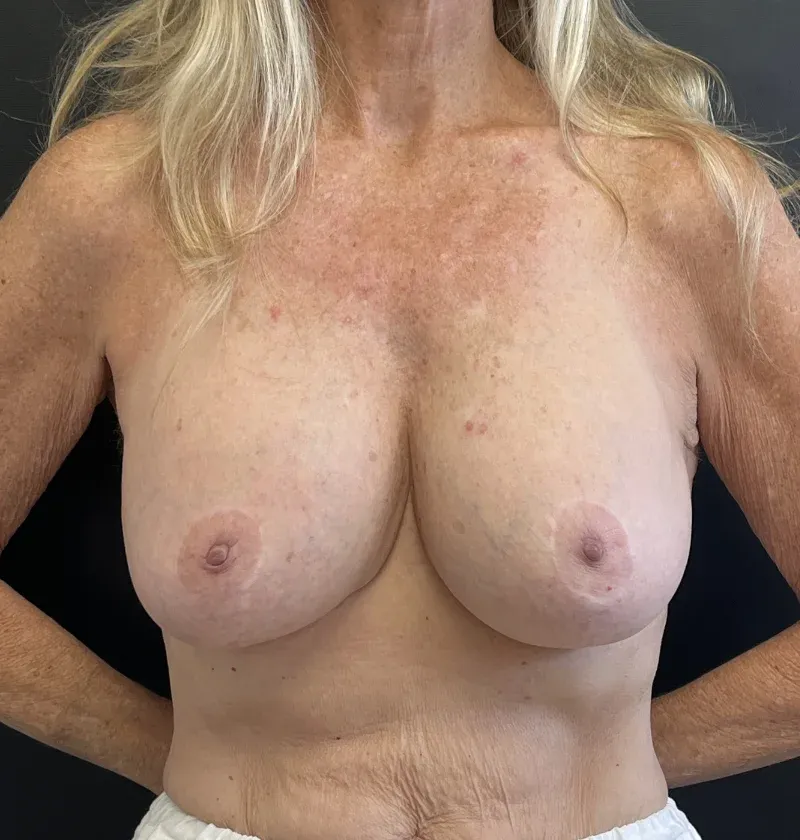
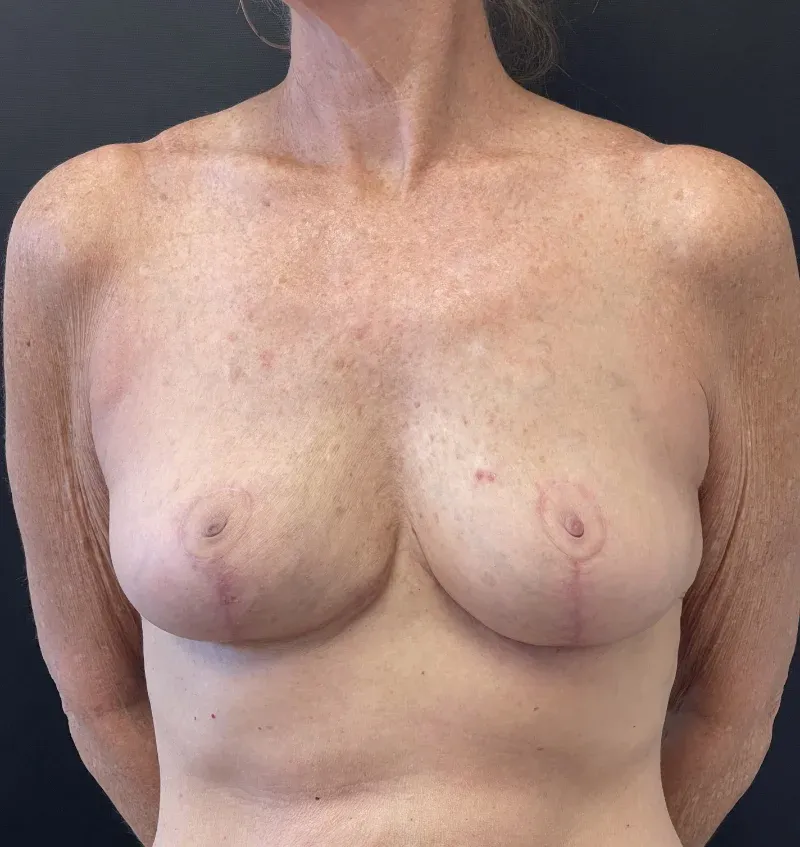
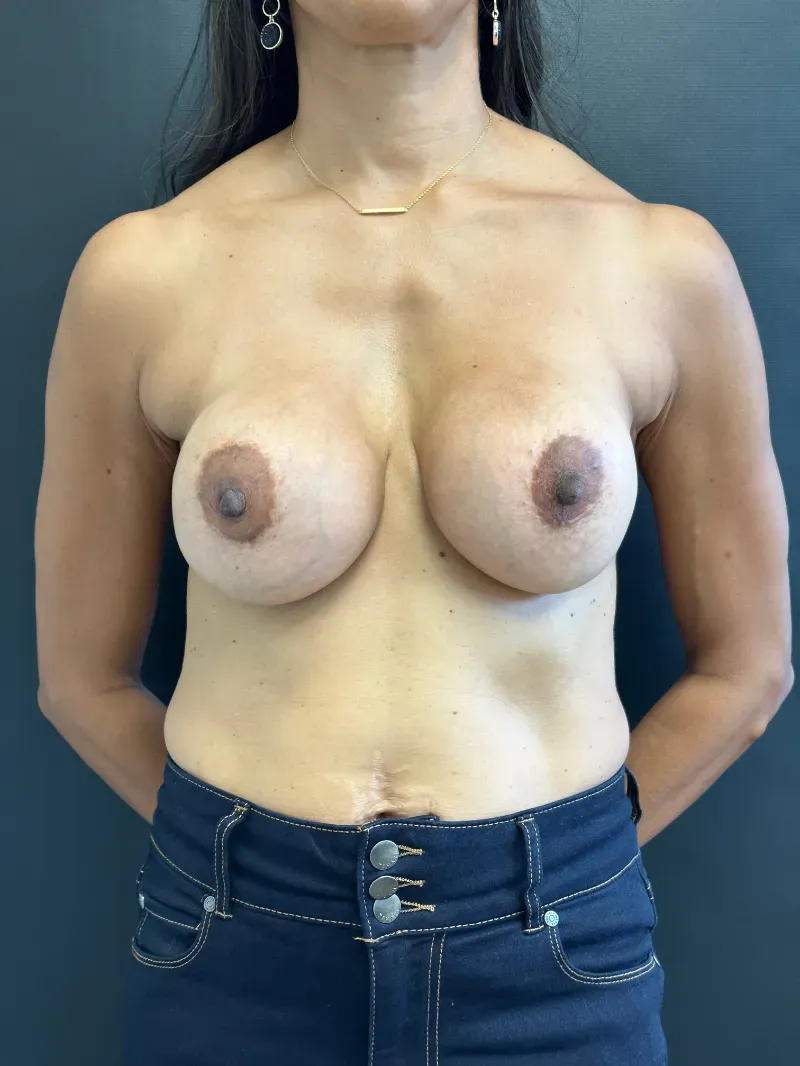
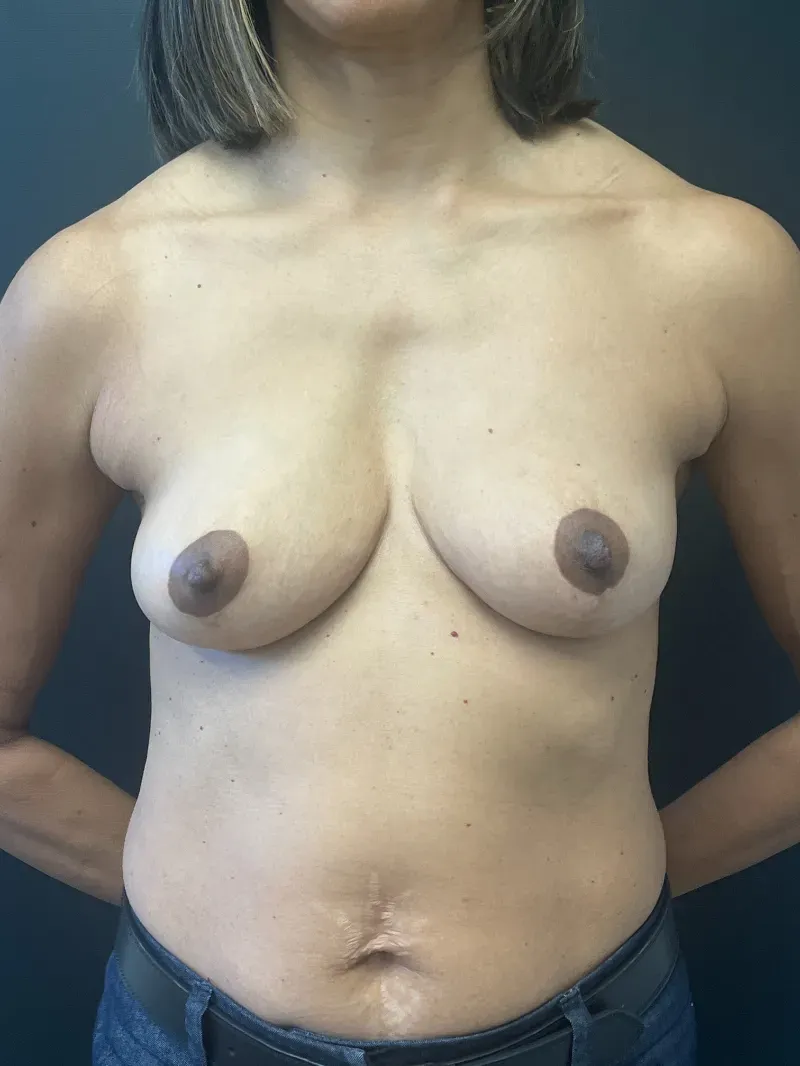
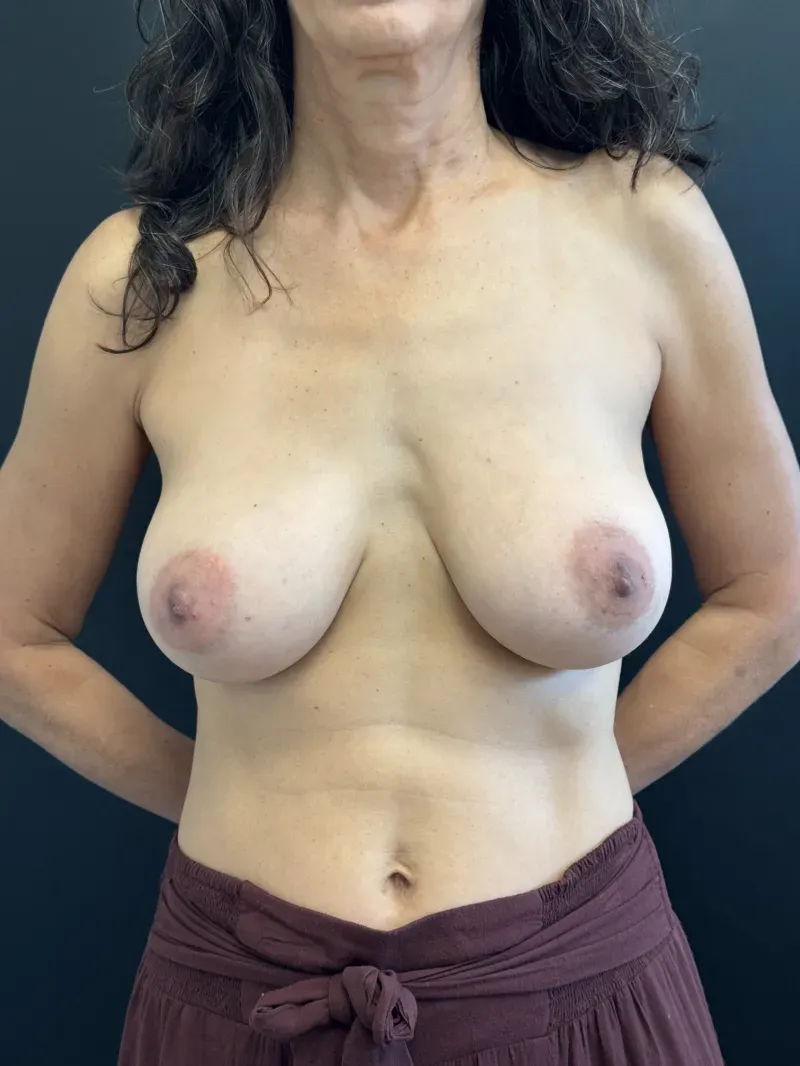
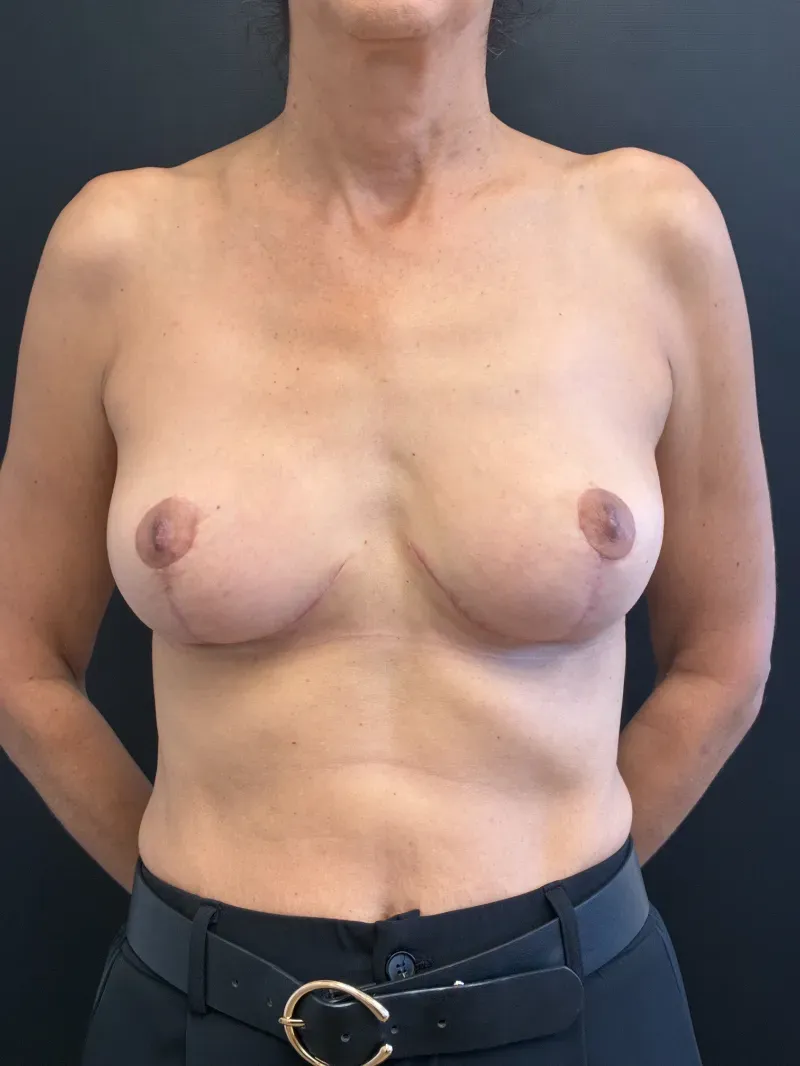
See real breast implant removal results from Dr. Poris’ patients. Each case in her removal gallery pairs implant removal with a breast lift, so look for a starting point like yours and compare breast shape, nipple position, and symmetry before and after.
Breast implant removal with Dr. Poris typically costs $4,000 – $16,000. Your total depends on how much of the capsule is removed and on anesthesia and facility fees, and adding a breast lift or fat transfer changes the cost.
Removal for cosmetic reasons is generally not covered by health insurance. Dr. Poris and her team will review your plan and provide a personalized quote.
Breast implant removal with Dr. Poris typically ranges from $4,000 – $16,000, depending on capsule removal and whether a lift or fat transfer is added. You will receive a personalized quote during your consultation.
Can I have my implants removed and a breast lift at the same time?
Yes. Removal with a lift is a common combination, and doing both in one surgery means one anesthesia and one recovery. Recovery may take a few days longer than removal alone.
Can fat transfer replace my implants?
Fat transfer can restore some volume, but it will not match the size of most implants. How much volume you can add depends on how much fat you have to spare and how much of it your body keeps. Dr. Poris will tell you what fat transfer can realistically add for you.
Your removal consultation is where you find out what your breasts are likely to look like without implants and how to get the shape you want. Dr. Stephenie Poris will examine your breasts, review your original surgery, and walk you through removal alone, removal with a breast lift, or removal with fat transfer.