

Laser Treatments

Lasers have been used for many years in many types of surgery but have recently become increasingly popular in cosmetic surgery because of ease of use, newer technology and more precise, predictable results. These lasers offer a new alternative or may be used as an adjunctive treatment to enhance the effectiveness of other skin rejuvenating procedures, including surgery.
Lasers & Light
The type of laser and specific skin rejuvenation treatment offered needs to be individually tailored to the patient’s condition and desires. Our facility offers a selection of state-of-the-art laser skin rejuvenation treatments featuring the Sciton Joule Laser. These procedures include:
- Laser Skin Resurfacing Restore radiant, youthful skin with laser skin resurfacing. Laser skin resurfacing can correct fine lines, wrinkles, sun spots, textural irregularities, and other common signs of damaged and aging skin.
- MOXI Laser Resurfacing Moxi™ is the latest way to refresh and revitalize your skin with minimal downtime.
- Contour TRL Deep Resurfacing Experience a true transformation with deep level skin resurfacing by Sciton's Tunable Resurfacing Laser, Contour TRL™.
- HALO™ Hybrid Fractional Laser HALO uses two wavelengths at the same time to treat both surface-level concerns and deeper skin issues.
- BBL™ HERO BBL HERO™ is the most advanced version, offering faster, more powerful full-face and body treatments with built-in cooling for comfort and minimal downtime.
- Forever Young BBL® Forever Young BBL™ is designed for maintenance and prevention, helping preserve results and support collagen production with gentle, ongoing sessions.
- BBL Photorejuvenation BBL Photorejuvenation is the core corrective treatment, targeting sun damage, redness, and uneven pigmentation to restore a more even, youthful complexion.
- ProFractional™ Laser Peel ProFractional Laser Peel is a quick and relatively comfortable laser procedure with little to no downtime used to improve the overall appearance of your skin.
- SkinTyte® Skin Tightening SkinTyte® photorejuvenation is a non-invasive skin tightening treatment designed to improve skin firmness, tone, and elasticity without surgery or downtime.
- Laser Hair Removal Laser hair removal can destroy facial hair and body hair to eliminate any need for shaving or waxing.
- Acne Treatments Living with active acne—or the scars it leaves behind—can affect both how you look and how you feel.
What Can Lasers Treat?
There are a variety of different conditions that are amenable to laser treatment, including removal of vascular and benign pigmented lesions, age spots, improvement of rosacea, skin texture problems, acne scarring, and fine lines. The variety of conditions able to be treated rapidly changes as the technology continues to evolve.
-
Fine Lines & Wrinkles
-
Sun Damage & Age Spots
-
Hyperpigmentation & Uneven Tone
-
Rosacea, Redness & Visible Vessels
-
Acne & Acne Scarring
-
Texture & Enlarged Pores
-
Loose or Crepey Skin
-
Unwanted Hair
Understanding the Power of Modern Lasers for Facial Rejuvenation
Laser skin resurfacing works by delivering focused light energy into the skin to treat damaged tissue and stimulate cellular repair. Depending on the type of laser, resurfacing can target the skin’s surface, deeper skin layers, or both—helping reduce visible skin damage while encouraging the production of new collagen. As the skin recovers, texture becomes smoother, tone appears more even, and overall skin quality continues to improve over time.
Recovery and Results
Recovery depends on the resurfacing treatment performed and the depth of correction.
-
Traditional laser skin resurfacing
Many patients should plan for about one week away from normal activities, depending on treatment depth. Redness and swelling may last for several weeks, and residual pinkness may take up to a few months to fade completely.
-
HALO®
Most patients want to avoid social activities for a day or two, and makeup can usually be worn after 24 hours. Redness is common after treatment, and peeling often begins after about 24 hours. Visible improvement often begins after several days, with more dramatic results appearing after two to three weeks. Continued improvement occurs for several months.
-
ProFractional®
Mild redness similar to a sunburn is common. Many patients return to work and apply makeup within 1 to 2 days. Complete healing usually takes about 3 to 5 days. Results often continue developing over several months.
Patient Testimonials
Dr Stephenie Poris at Poris Plastic Surgery is fantastic! The entire staff is helpful and will find the answers to any questions you may have, The Staff at Sherman outpatient Surgery was also fantastic! Today is my first day post-op and everything that I have experienced so far is exactly what Dr Poris described.
From the minute, I walked in Dr Poris office. I felt right at home. My procedure went very well. I highly recommend this practice if you’re in need of any plastic surgery.
Dr. Poris and her staff are superb professionals and care givers. My surgery was a dream! Literally, lol, I don’t remember a thing and one day post-op I feel great!
Frequently Asked Questions
Which laser treatment should I get?
Dr. Poris offers a wide range of laser treatments that can be completely customized to meet your needs. Because every patient has unique skin, the appropriate laser technique for you will be personal to you. Dr. Poris will help you understand which laser treatment technique will best help you achieve your skin rejuvenation goals.
What’s the difference between laser skin resurfacing treatment options?
All laser skin resurfacing treatments improve skin tone, texture, and visible signs of aging, but each of the lasers works differently and has different applications. Traditional laser skin resurfacing is often used for more advanced skin damage and deeper correction. HALO® is a hybrid fractional laser that treats both the skin’s surface and deeper layers at the same time. ProFractional® uses microscopic treatment channels to stimulate collagen and support surface skin healing. During your consultation, we’ll help you understand which option best fits your goals.
What’s the difference between BBL Photorejuvenation, Forever Young BBL, and BBL HERO?
Each BBL treatment uses BroadBand Light technology but serves a unique purpose. BBL Photorejuvenation is the core corrective treatment, targeting sun damage, redness, and uneven pigmentation to restore a more even, youthful complexion. Forever Young BBL™ is designed for maintenance and prevention, helping preserve results and support collagen production with gentle, ongoing sessions. BBL HERO™ is the most advanced version, offering faster, more powerful full-face and body treatments with built-in cooling for comfort and minimal downtime. All three options can be customized to match your skin type, goals, and treatment plan—whether you’re just beginning your rejuvenation journey or maintaining your results long-term.
Can laser skin resurfacing be performed on all skin types?
With the Sciton JOULE™ platform, laser skin resurfacing can be safely performed on all skin types. Dr. Poris will determine the safest and best technique for your needs.
Is laser skin resurfacing painful?
Most patients tolerate laser skin resurfacing well. Topical numbing may be used for some treatments, and patients typically describe sensations such as warmth, heat, tingling, or mild pinching during treatment. We’ll talk with you about comfort measures and what to expect for your procedure.
Is there any downtime after BBL?
Downtime is minimal. You may experience mild redness or sensitivity immediately after treatment, similar to a light sunburn. Brown spots often darken temporarily before gently flaking off within 7 to 10 days. Most patients return to regular activities the same day and can apply makeup as early as the next day. Sun sensitivity will be higher while your skin is recovering, so it’s best to always wear sunscreen (broad-spectrum SPF 30 or higher) and adopt good sun care practices to prevent new photodamage from occurring.
Related Articles
- Which Laser Treatment is Best for Hyperpigmentation? Read article
- HALO Laser vs. Erbium Deep Laser Resurfacing: Which Is Right for You? Read article
- What is the Best Laser for Dark Skin? Read article
- Which is Better: Lasers or Chemical Peels? Read article
- When Is the Best Time to Get Laser Skin Resurfacing? Read article
- Fact or Fiction? Addressing Common Misconceptions about Laser Skin Resurfacing Read article
Take the Next Step
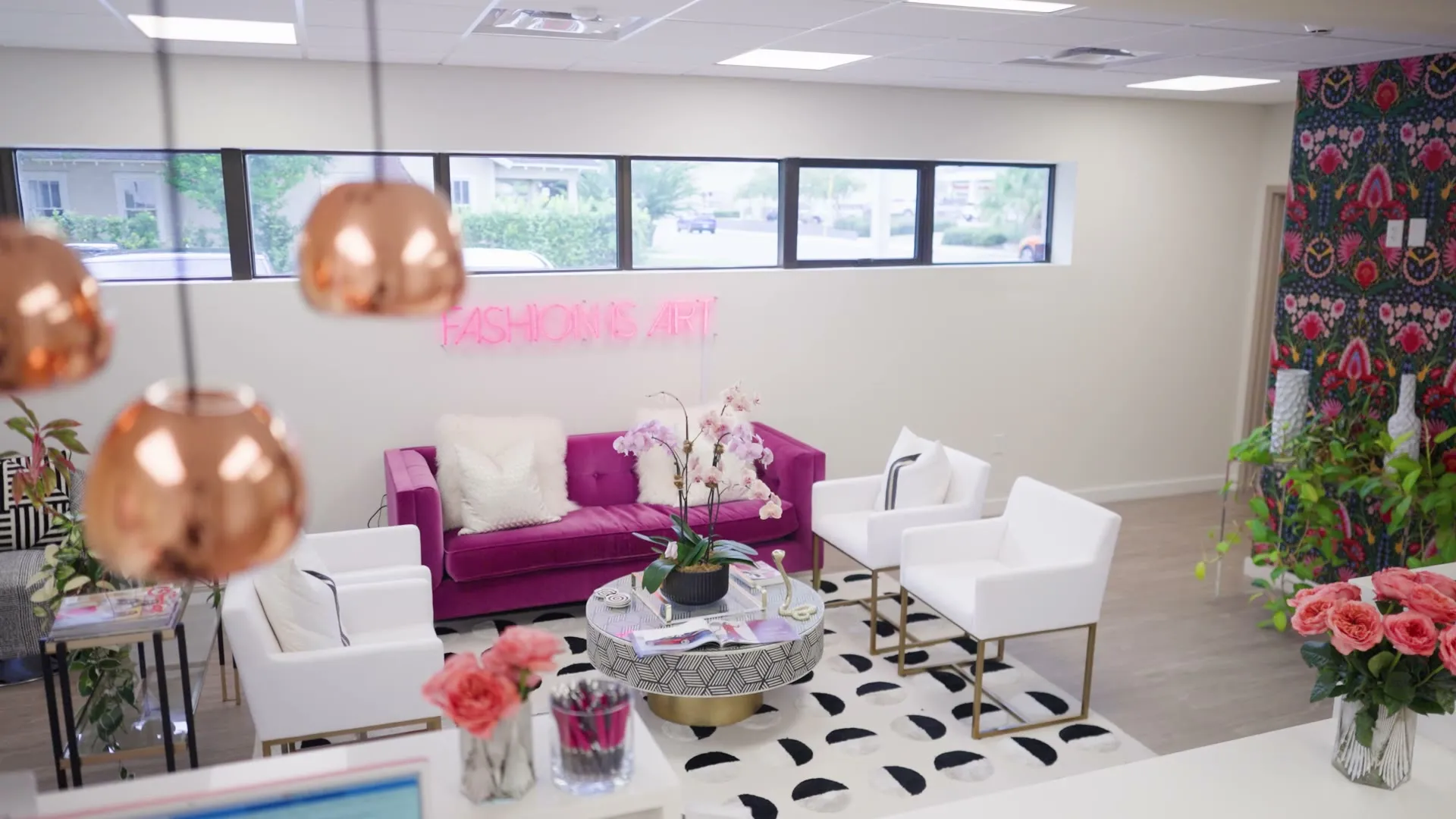
If you’d like to learn more, call us at (407) 558-1616 to schedule a consultation with our certified, professional staff at Winter Park Plastic Surgery & Laser Center in Winter Park, FL (serving the Central Florida area).
Winter Park, FL